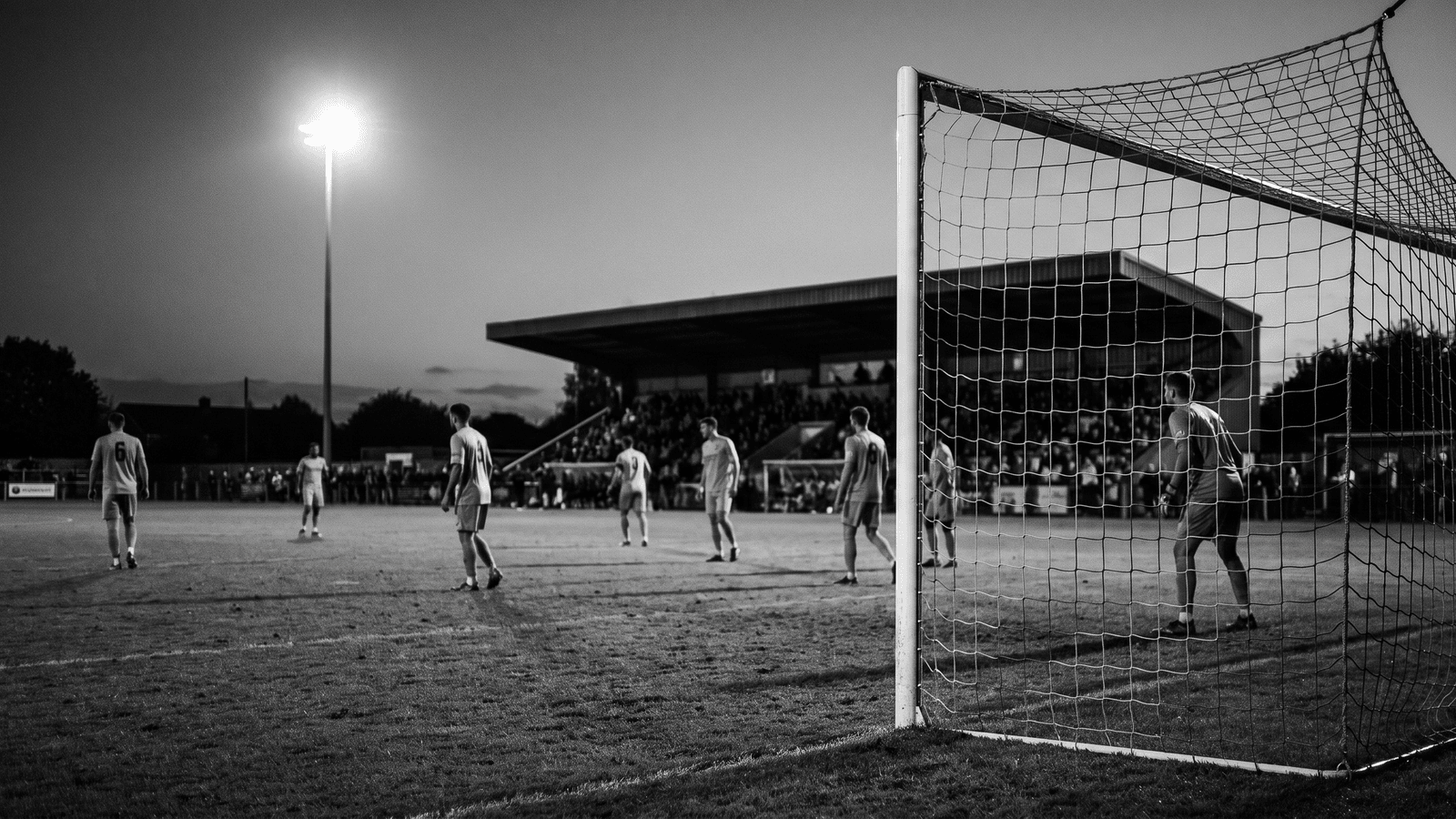
Every August and September, something quietly magical happens across the English football pyramid. Groundsmen roll their pitches, secretaries triple-check paperwork, and supporters who haven't felt genuine nervous excitement since last spring suddenly have reason to care deeply about a Tuesday evening fixture at a ground that holds eight hundred people. The FA Cup qualifying rounds are back — and according to The Non-League Paper, the second qualifying round draw has already got people talking.
That conversation, as it tends to do at this time of year, has spilled into wider questions about who the genuine forces are in the National League and its feeder divisions. And one name keeps surfacing: Boreham Wood. So let's dig into both threads — the draw and the title race — and think about what they mean not just for the clubs in frame, but for every grassroots team dreaming at the bottom of the pyramid.
Why the FA Cup Draw Still Matters More Than People Admit
There's a tendency in modern football coverage to treat the early qualifying rounds of the FA Cup as a footnote — something to be endured before the 'proper' competition begins when the Premier League clubs saunter in at the third round. That framing is wrong, and it's worth saying so clearly.
For a Step 4 or Step 5 club, reaching the first round proper isn't just a nice story. It is a financial lifeline. The prize money at those early stages may not sound spectacular compared to top-flight numbers, but for a club running on tight margins — volunteer labour, donations, match-day gate receipts — a run of two or three qualifying victories can fund a significant portion of a playing budget. A plum home draw can sell out a ground that rarely sees capacity crowds and introduce the club to a new generation of local supporters.
More than the money, though, it's the identity. The FA Cup gives non-league clubs a chance to measure themselves against different opposition, in a different kind of atmosphere, under a little extra scrutiny. Players who came through academies and found themselves released get the chance to prove something. Managers who have spent years building squads on shoestring budgets get to test their tactical ideas against opponents from a higher rung. The second qualifying round is precisely the stage where those stories begin to crystallise — where you can start to see which clubs have genuine depth and which ones were flattered by a favourable early draw.
A good draw, as The Non-League Paper's discussion suggests, sharpens everything. It creates anticipation, drives ticket sales, generates local media interest, and reminds communities that their club exists and matters. For grassroots supporters who sometimes feel invisible between the coverage of League One and the Premier League, that visibility is not a trivial thing.
Boreham Wood and the Title Conversation
The question of whether Boreham Wood are genuine title favourites in the National League is, at its core, a question about what sustained ambition looks like at this level. The club has spent years as one of the division's more organised, professionally run outfits — developing players, maintaining structure, and competing consistently without the financial firepower of some of their rivals.
Title favouritism at National League level is a complicated thing to assign. The division has a habit of humbling the anointed front-runners come February, when squad depth is tested, pitches cut up, and the relentless fixture schedule begins to expose thin rosters. The clubs that tend to succeed are the ones that combine a settled core of experienced players with a manager who has clear tactical ideas and the trust of his board.
Whether Boreham Wood fit that description right now is a genuine debate worth having — and the fact that The Non-League Paper is asking the question suggests they've given observers enough early-season evidence to take them seriously. That alone is significant. Being spoken about as a title contender at this stage focuses attention, attracts players who want to be part of something, and raises the stakes of every fixture. It also, it should be said, paints a target on your back. Every team in the division will raise their game for the visit of an acknowledged favourite.
The Slough Town Cautionary Tale
While the title conversation buzzes around Boreham Wood, it's worth pausing on a story at the other end of the spectrum. Slough Town and their manager Alan Julian have parted ways after a winless start to the season, according to The Non-League Paper. It's a reminder that non-league football can be brutally unforgiving.
Managerial changes at this level rarely come with the financial cushion of a senior professional club. There are no gardening-leave arrangements, no compensation packages that make the news. A parting of ways often means a volunteer-run club has to regroup almost overnight, with a committee working phones, leaning on contacts, and trying to preserve squad morale while the search for a new appointment begins. The community infrastructure of a non-league club — the volunteers, the supporters' trust, the local businesses chipping in for kit — has to absorb shocks like this without the professional HR machinery that higher-league clubs take for granted.
For grassroots clubs watching that story, the lesson is clear: stability matters, and it has to be built carefully. A run in the FA Cup, a consistent league position, a settled dressing room — these aren't abstract goals. They're the things that keep a club together when results turn.
What Grassroots Clubs Can Take From All of This
The FA Cup draw, Boreham Wood's ambitions, Slough Town's reset — these stories exist at different points on the pyramid, but they share a common thread. English football below the Championship is a world where every decision carries weight, every result ripples outward, and every cup draw genuinely matters.
For community clubs at Step 6 and below, the lesson of the qualifying rounds isn't just 'dream big.' It's 'build something real.' Solid finances, a connected community, a clear footballing identity. Platforms that help clubs raise funds — whether through local sponsorship, supporters' initiatives, or tools that make collecting match fees and donations less of a headache — are part of what makes sustainability possible.
The FA Cup second qualifying round is a snapshot of English football at its most democratic. Anyone can draw anyone. Anyone can cause an upset. And for the clubs that survive it and thrive, the rewards — financial, reputational, emotional — can shape an entire season. That's not a footnote. That's the story.
More from the LeaguePages blogPrefer the interactive version? Read this post in the app at leaguepages.com/blog/the-fa-cup-draw-boreham-wood-s-title-bid-what-it-all-means — with related reads, series navigation and saved posts.